11 Relaxing Hobbies That Calm a Racing Mind Tonight
Your evening has 30 free minutes and no plan yet. This list fills them without a screen.
Last updated: Nov 1, 2026
Read time: 9 min

By Nibble Team
Nibble's Editorial Team
Our editorial team loves exploring how things work and why. We’re guided by the idea that people stay curious throughout their lives — they just need engaging stories and ideas to reignite that curiosity.
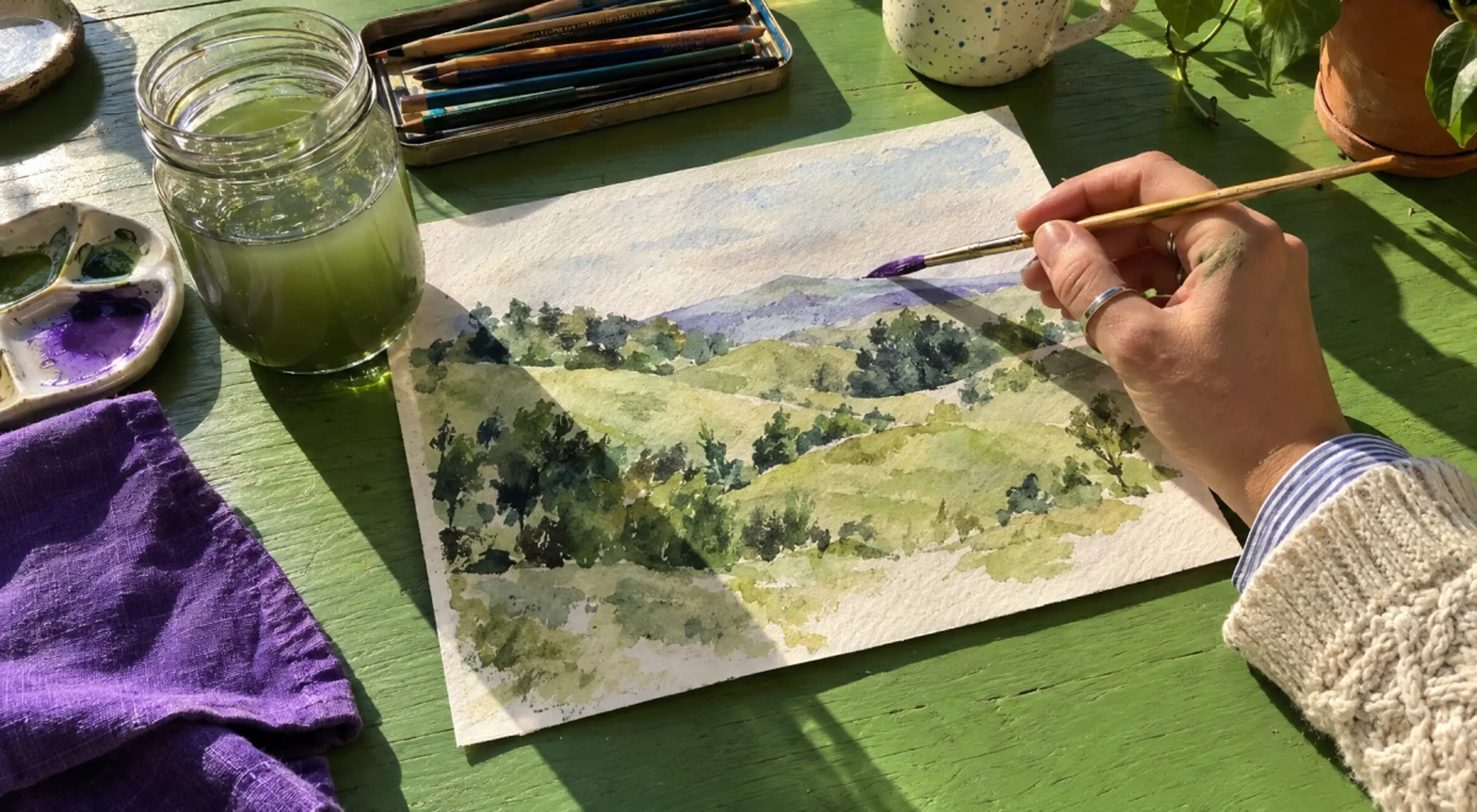
Why does your mind start racing right when the house finally goes quiet? The dishwasher hums, the inbox is empty, and your body wants to settle. Relaxing hobbies earn their keep in that loose half hour before bed. In a Drexel study, 75% of adults had lower cortisol, one of the body's stress hormones, after 45 minutes of making art.
Usually it's your body that tips you off. Your jaw is clenched, your shoulders are up by your ears, and you're still mentally answering an email you sent at 4:30. That's your stress response running overtime. Engaging in hobbies gives that energy a place to go, and honestly, stress reduction doesn't have to cost anything or happen anywhere fancy.
Every pick below is a repeatable habit you can start tonight. A few ease muscle tension in your neck and back, while others give a looping brain one small job. The Drexel team also found that prior art experience made no difference to the results. That's good news if your daily life leaves little room for practice.
Keep Nibble on your phone for the nights when even a hobby feels like too much effort.
Results vary from person to person. Nibble is a microlearning and daily growth app and isn't a medical or mental health tool, so check in with a doctor if stress or poor sleep sticks around.
Quick summary: What relaxing hobbies have in common
Here's what turns fun activities into wonderful ways to unwind.
- Repetitive tasks like coloring or knitting calm the nervous system without asking much of you.
- Calming activities can help your parasympathetic nervous system, the body's "rest and digest" mode, take over after a long day, and they give your focused attention one simple target.
- Can't sit still? Gentle movement like tai chi or a night walk will suit you better than a quiet craft indoors.
- Most of these simple hobbies are cheap to start, and several are free.
- Between 10 and 20 minutes is usually plenty, so no evening is too short to reduce stress a little.
Keep reading to find the one that fits your mood tonight.
Creative hobbies for restless hands
Some nights your hands need a job before your head will settle. These four give them one, no talent required.
1. Adult coloring books
Coloring pages for adults are cheap, and yes, they feel a little like kid stuff at first. Shading inside the lines is a kind of active meditation, because your hands stay busy and intrusive thoughts get crowded out. It's a good pick for nights when you can't sit in silence.
Choose pattern pages. Big scenes get you fussing over blending, which kind of ruins it. Gel pens or colored pencils both work fine.
2. Crochet or knitting
Pen-clicker or leg-bouncer? Knitting and crochet give those restless hands a job. That repetitive motion can soothe the nervous system, and after a few rows your shoulders may drop. Start with a dishcloth, since starter supplies don't cost much.
3. A journal or short stories
All you need is 10 minutes and a notebook.
Some nights that's a diary entry, and other nights it's creative writing, like a short story you'll never show anyone. Putting pen to paper is slower than typing, which gives you room to process emotions. Even three sloppy sentences count, and self-expression gets easier with practice.
4. Homemade candles
Candle making is nice because you end up with an actual thing on the shelf. Melting the wax and pouring it slowly into a jar takes just enough care to keep you in a creative flow. A soy wax kit and a couple of essential oils, like lavender or cedar, are enough for several candles.
It's a hands-on activity with a payoff, since the candles double as decorative items for your home decor shelf or as gifts. Too tired to melt wax? A bath bomb gives you a scented wind-down instead.
🎨 Give your creative side a calm 10 minutes with Nibble tonight.
Low-key hobbies for a slow evening in
No energy for crafts? The next three mostly ask for attention, and the last one's better with company.
5. Jigsaw puzzles
There's something about a half-done puzzle on the dining table. It'll wait as long as you need. Every piece you fit is visible progress, so even five minutes gives you a small sense of accomplishment.
Hunting for one edge piece is gentle problem-solving. It pulls you out of your inner world and into one tiny task. Start with 300–500 pieces and an easy picture, then leave it out for quick visits.
6. Fiction before bed
Few hobbies offer an exit as fast as a good book. Reading fiction pulls you into different worlds where the only stakes are on the page, an escape from reality that can interrupt a stress spiral that started in a 2 p.m. meeting.
Non-fiction is great for curiosity. A novel is better at stopping rumination, that habit of chewing on the same worry over and over. Leave your phone in the kitchen and read for 15 minutes.
7. Board games with others
You don't have to unwind alone, either. A round of board games with a partner or roommate is a delightful way to spend an evening off your phone together. Card games count, too.
Light strategy games keep your mindful focus on the present moment, and since nothing's riding on the score, you can just relax. Pick a quick game you can wrap up before bed on a weeknight.
Slow-paced hobbies for body and senses
Some nights the tension sits in your body more than your head. These four help with that.
8. Tai chi and gentle stretching
Desk all day, couch all night, and your shoulders stay stiff. Tai chi gets you moving slowly while you breathe in time with each step, which helps when you're too restless to sit still.
Restorative poses from yoga ease physical tension in your neck and jaw without getting your heart pumping. Free online tai chi videos run about 10 minutes, or do two or three poses on a mat next to the bed. Try it most nights this week and see if daily pressures sit lighter.
9. Houseplants or a small garden
Spend 20 minutes repotting a plant or pinching off dead leaves, and your neck might loosen up. These are deliberate movements that keep your hands busy without asking much from your brain.
No yard? Gardening works fine on a windowsill of houseplants. A pothos is cheap and survives the odd missed watering, which makes it a safe way to learn a new skill before you bring home a second hobby plant.
10. Music or nature sounds
The easiest move is to press play and simply enjoy music. Instrumental music tends to promote calm best, since no lyrics compete for your brain's attention.
Rain, ocean waves, or a forest recording can pull a wandering mind back to the present moment in a few breaths. You need a free playlist, headphones, and 10 minutes with your eyes closed. Plenty of free apps loop rain sounds for hours.
11. Night walks and stargazing
Looking up at a clear night sky costs nothing, and it's a wonderful way to end the day. Nature walks after dark mix physical relaxation with that feeling of being tiny, which makes your inbox seem a lot less important.
The slow pace also tells your body the day is ending, which can support better sleep. Leave your phone inside, loop the block once, and let your eyes adjust to the dark.
Why relaxing hobbies calm the body
Stress flips your body into fight-or-flight mode. Once the stressor passes, the parasympathetic nervous system should take over and slow things back down. According to Harvard Health, the relaxation response that follows can slow breathing, relax muscles, and lower blood pressure.
Getting your body moving helps that switch, too. In a 2019 study, people who matched slow breathing to rhythmic muscle movements had more parasympathetic activity than the group that only did the breathing. That's part of why gentle movement like tai chi can bring on the natural relaxation response faster than lying there trying to relax.
Plain rest isn't the same as a mental escape. Flop on the couch when you're feeling overwhelmed, and the worries usually wander right back. Count stitches or sort puzzle edges, and your mind has just enough to do to stay present. Interesting hobbies you've never tried can pull off the same trick.
🧠 Get curious about how stress works with a Psychology lesson on Nibble.
How to pick the right relaxing hobby for your mood
The most relaxing hobbies for you depend on energy more than free time. Running on empty? Stick with coloring or a novel. If you feel fidgety, tai chi or a lap around the block will fit better.
Then there's cost. Candle supplies or a new board game cost a bit upfront, but stargazing and journaling are free. You don't need a high skill level for any of them. Beginners with zero prior experience still get the calm.
Social preference matters for your well being as well. Some evenings call for solo focus, and our guide to calming hobbies at home has more quiet ideas for those nights. Others go better shared over a board game.
When the usual options feel stale, a list of new hobbies to try can widen the menu. Keep two or three good hobbies on rotation.
| Hobby | Energy needed | Estimated cost | Best for |
|---|---|---|---|
| Adult coloring books | Low | $10–20 | Unwinding before bed |
| Crochet or knitting | Low to medium | $10–25 | Meditative calm |
| Journaling | Low | $0–10 | Emotional processing |
| Candle making | Medium | $25–40 | Creative projects |
| Jigsaw puzzles | Low | $10–25 | Visible progress and quiet focus |
| Reading fiction | Low | $0–20 | Mental escape |
| Board games | Medium | $15–50 | Social relaxation |
| Tai chi or stretching | Medium | $0–30 | Releasing physical tension |
| Gardening | Medium | $10–30 | Connecting with nature |
| Music or nature sounds | Low | $0 | Quick mood reset |
| Night walks or stargazing | Low to medium | $0 | Present-moment calm |
Prices are rough U.S. estimates for starter supplies and vary by store.
A nightly routine that makes the habit stick
Tie your hobby to something you already do, like right after dinner or after brushing your teeth. That removes the nightly decision about when to start. Keep supplies out in a quiet space so a tired evening skips the setup.
Calling it self-care helps it feel less like one more line on a to-do list. On rushed evenings, five minutes of dedicated time spent on a calming activity still counts.
Screens aren't always the enemy, either. Some digital tools support a quieter routine without adding to digital distractions. Our calm phone ideas list covers a few.
Real stories of calmer evenings
A quiet evening doesn't have to default to a screen full of other people's lives. Four Nibble users rethought how they're spending time on their phones.
- Shae Legan, a registered nurse on night shifts, now does her lessons at 4 p.m. or even 11 p.m. on days off, and on her most drained days she rereads favorite literature lessons. See Shae's story.
- Around 7:30 each morning, Richard, a busy dad of two who often works weekends, opens Nibble in the living room in the window he used to give to Facebook. Read Richard's story.
- Real estate agent Sarah Widmer uses eight learning apps, yet Nibble is the one she reaches for to relax in the afternoon when she needs a pick-me-up. More in Sarah's story.
- Why did a data analyst in Barranquilla, Colombia, swap a draining news feed for art history? Fredys Caballero now works through three lessons over coffee in the coolest part of the day, and Fredys' story covers what changed.

Your mind wants a job before bed
Nibble turns that into a 10-minute lesson
Unwind with Nibble when a hobby feels like too much
Relaxing hobbies work best when you pick one that fits how you feel tonight. Tired? Color a page. Restless? Walk around the block under the night sky. Whatever's left on this list will still be here tomorrow.
And some evenings, even finding your colored pencils sounds like a lot. On those nights, Nibble is an easy option. Your hands get a break, and your brain gets something interesting to think about that isn't work.
Nibble suggests lessons based on the topics you pick, so Art or Psychology can show up in your feed on day one. Quick games like Match the Pairs and Complete the Picture give you the same small click of satisfaction as a jigsaw, minus the table to clear. With 10M+ downloads, the app also tracks a daily streak that rewards even one short lesson.
Open Nibble tonight and give your evening a calmer shape.

FAQs about relaxing hobbies
Can relaxing hobbies help with anxiety and overthinking?
For many people, yes. When you give your hands a simple job, like knitting a row or sorting puzzle pieces, overthinking has less room to take over. That's everyday stress relief, though, and it isn't a treatment. If anxiety is getting in the way of your sleep or work, it's worth talking to a doctor.
How long should you spend on a relaxing hobby each day?
You don't need a full hour. Between 10 and 20 minutes is enough for most calming activities to lower stress a bit, and one participant in the Drexel art study said they felt less anxious after about five minutes. A short session most nights tends to help more than one long session squeezed into a Sunday afternoon.
Do hobbies help your mental health long-term?
Over time, they often do. A hobby you come back to every week becomes a coping habit, something familiar to lean on when life gets busy. It also gives your week a little shape, and that kind of routine is good for your mental health. You don't have to do it daily. Even a couple of evenings a week counts.
Does it matter if you're bad at your hobby?
Nope. Calming hobbies can help cortisol levels drop no matter how good you are at them. Your experience level matters a lot less than just showing up. So a complete beginner with wobbly lines gets the same shot at calm. Skip comparing your work to polished projects online and enjoy the process.
Is watching TV a relaxing hobby?
It can feel relaxing, but watching TV is mostly passive, so your mind is free to drift back to the day's worries. Autoplay also makes it easy to stay up later than you planned. If you love a show, pair it with something for your hands like crochet, or switch to a good book for the last half hour.
What can you do when a hobby starts to feel like a chore?
Change the rules. Calm hobbies stop working once they turn into goals with deadlines, so drop the "finish the puzzle by Friday" plan. Rotate between two low-cost options, pick up a new hobby, or try a social one like book clubs, where the schedule is set for you and simply showing up is the whole job.
Published: Nov 1, 2026

Keep your curiosity sparked with the app
Join 10M+ people and discover bite-sized ideas from general and academic knowledge

